
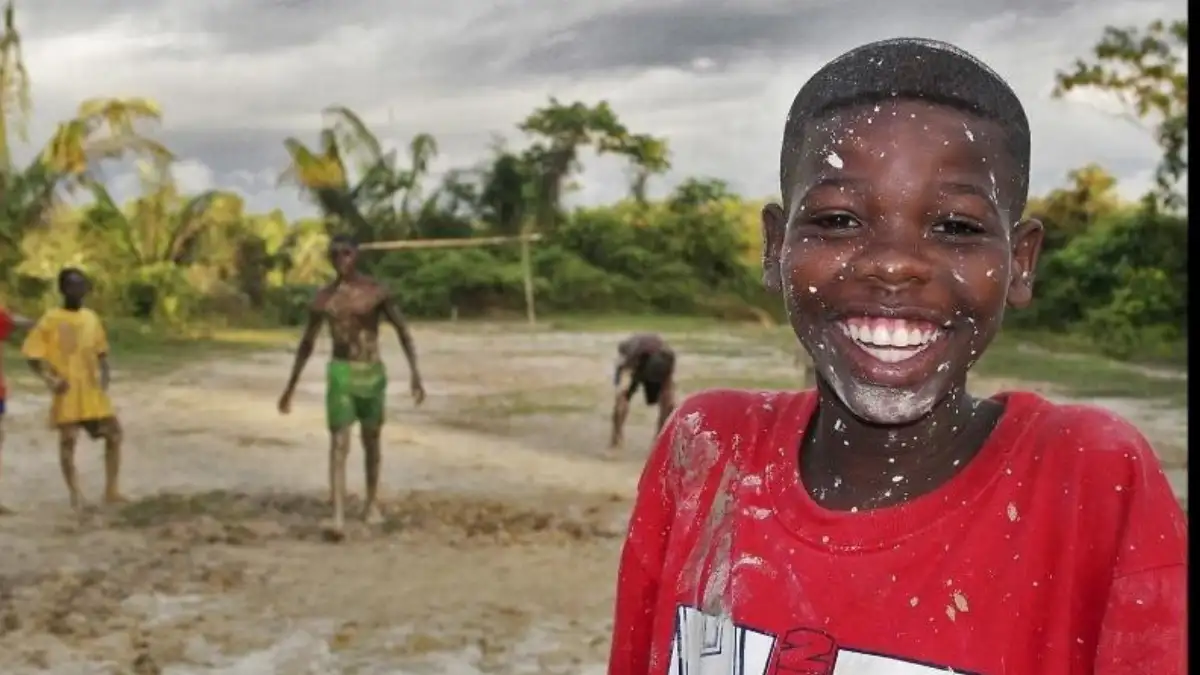
The two areas to the south of the city of Cali, in the south-western part of Colombia, northern Cauca and the Valle del Cauca, have a similar population profile: indigenous groups, small farmers, afro-descendants – women, children and families who have found themselves victims of the on-going conflict in the country, itself driven by armed groups competing for control of the illicit economy.
Both areas are characterized by forced confiscation of farms and properties, large scale growing of illicit crops, armed groups, and an absence of state and government presence – conditions which leave most families in a highly vulnerable position.
Poverty and youth unemployment are both exceptionally high; dependence upon illicit crops and the attendant supply chains is growing all the time – as is, conversely, the consequent need for sustainable, legal and economically viable alternatives. Environmental contamination is high, too, from both the widespread use of chemicals in the drug cultivations and the need to fell more and more stretches of woodlands and forests to make way for the drug crops.
In such a context, community-based projects within education, agriculture, art and culture take on an outsized importance as far as hope, reconciliation and the reconstruction of the social fabric goes. The Educating within a Post-Conflict Environment (EPCE) foundation works with young people in the region to innovative and transform agricultural products (cacao for chocolate, coffee for drinks and food ingredients, fruits and vegetables for national sale and and for export), with a view to harvesting them locally and sending them on to supermarkets in urban areas.
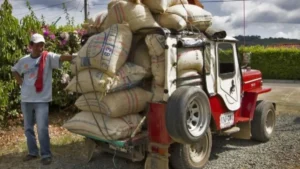
The Foundation works with universities and technical colleges to develop viable product options for urban markets, in terms of quality and availability, thus helping to transfer technologies to more isolated areas. Delivery routes and roads out to market, though, aren’t always easy, considering the isolated nature of many communities, omething often caused by armed groups having destroyed access routes to make themselves more difficult to find by the authorities.
Increasing the percentage of crops and land used for legal uses in the region is the overall mission of the foundation, being the pillar to a more peaceful, self-directed, self-confident future for the country as a whole: 90% of the illicit crops grown in the whole of Colombia are within a two-hour drive from the city of Cali. Successful recruitment by armed groups of young men and women is directly proportional to the availability of viable alternatives to working within the illegal drugs supply chain.
The Brewchange Group has been working for some years now with the EPCE foundation, supporting its work to widen and improve product development, production and supply chain skills and capacities in the region, as the most effective way to help foment peace and a healthy, legal commercial infrastructure in rural parts of the country. In this way, too, helping to maintain a young, skilled workforce in rural parts of the country as opposed to everyone simply up and leaving for the towns and cities. The Brewchange Group purchases coffee and chocolates from the region, too, in a direct show of support for the foundation’s work.
Next steps for the foundation include building a ‘cultural map’ of available products, skills, capacities, education levels, and needs across the entire region, in order to better allocate resources towards helping the young and female populations – by far the most vulnerable ones.
The Brewchange Group is helping to facilitate this vis bringing together university research departments, the national Territorial Renewal Agency, the UN’s Women’s Peace and Humanitarian Fund, the national and regional Ministries of Cultural and Social Prosperity, and national and international private companies from the food and drink, cosmetics, packaging and tourism sectors, who have expressed an interest in assisting social and economic development of the area – and, in turn, aiding the wider post-conflict and renewal process across the country. Such a model can, of course, readily be transferred to other countries where conflict and displacement have been high.
Impact from the foundation’s work over the past two years alone includes: employment generation and sustainable incomes for over 100 families; significant reduction in economic dependency upon illicit crops; the opportunity of wider visibility for the region, as one of peace, with economic potential and a youthful, knowledgeable and skilled workforce – compared to being a forgotten area that authorities and private businesses avoid.
In short, the EPCE foundation, partnering with us here at the Brewchange Group, is having some success in the task of territorial transformation – restoring the dignity of peoples who refuse to be forgotten and want to be part of a region with a purpose, economically, educationally, socially – and to put down roots for peace, to move on from conflict, and be known not only for its products but also for its humanity.
If you’d like to understand more about our work here at the Brewchange Foundation or to get involved with us on this or any other of our projects, then please do get in touch.
With best wishes,
Brewchange Foundation team.